Lumen
Digital Product Design
End-to-end design of web and mobile products, from problem definition to shipped, measured interfaces.
Lumen · Design · Service 2 of 4 · Semantic layer
Evidence about how people actually work, turned into experiences that fit.
UX Research and Design
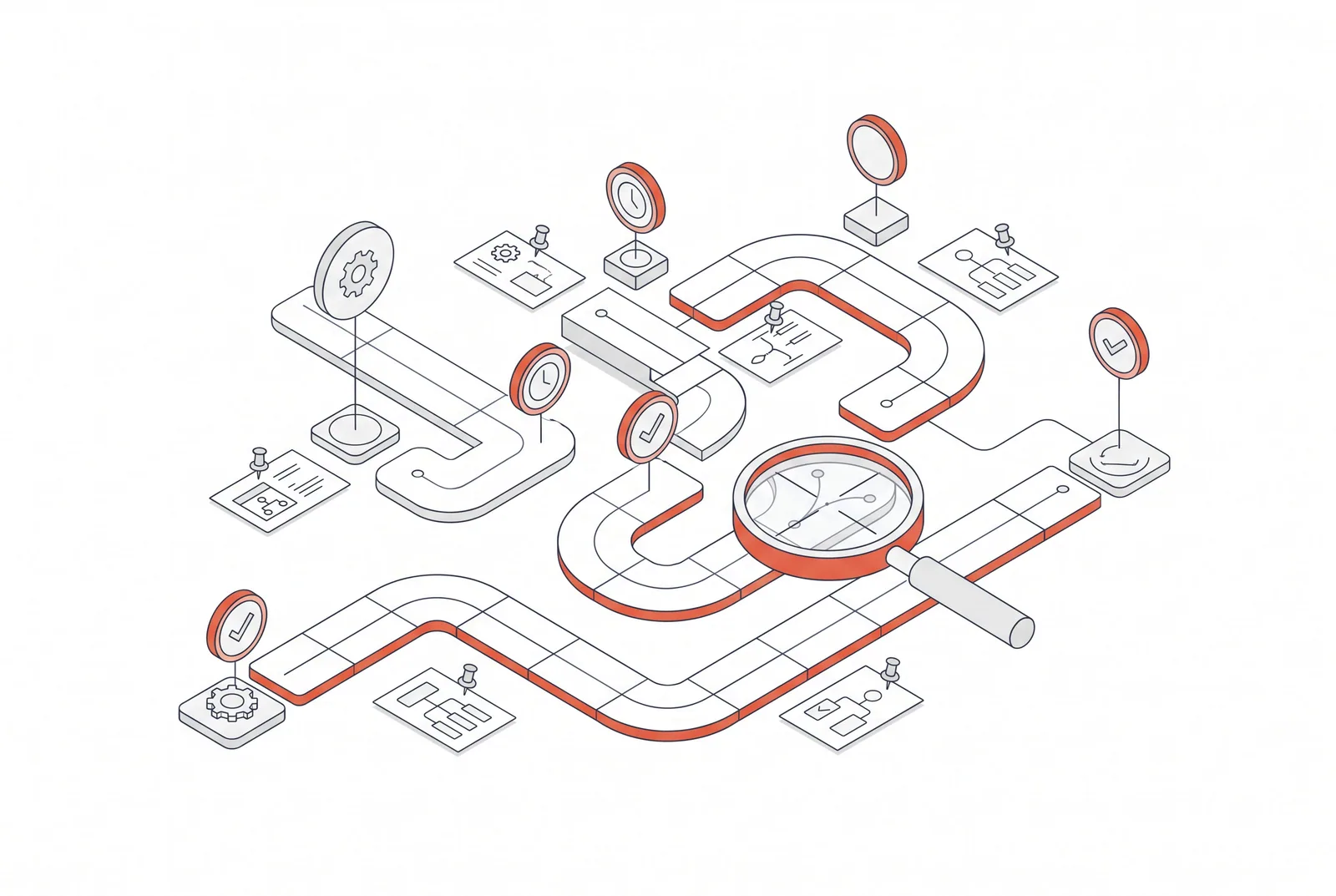
UX design then translates that evidence into information architecture, workflows and interaction patterns, validated with the people who will use them before engineering begins. In operational settings such as dispatch, field service or analysis, this is the difference between a system people rely on and one they route around.
Capabilities
Interviews, contextual inquiry, diary studies and stakeholder alignment.
Usability testing, benchmarking and accessibility evaluation.
Task models, journeys, personas grounded in data and prioritised opportunity maps.
Information architecture, workflows, wireframes and interaction specifications.
In the Operational Model
Research enriches the semantic layer with how people perceive and use the objects in the model, and validates that the actions in the kinetic layer match real work.
Where this service sits in the model
What you receive
Related services
Lumen
End-to-end design of web and mobile products, from problem definition to shipped, measured interfaces.
Vector
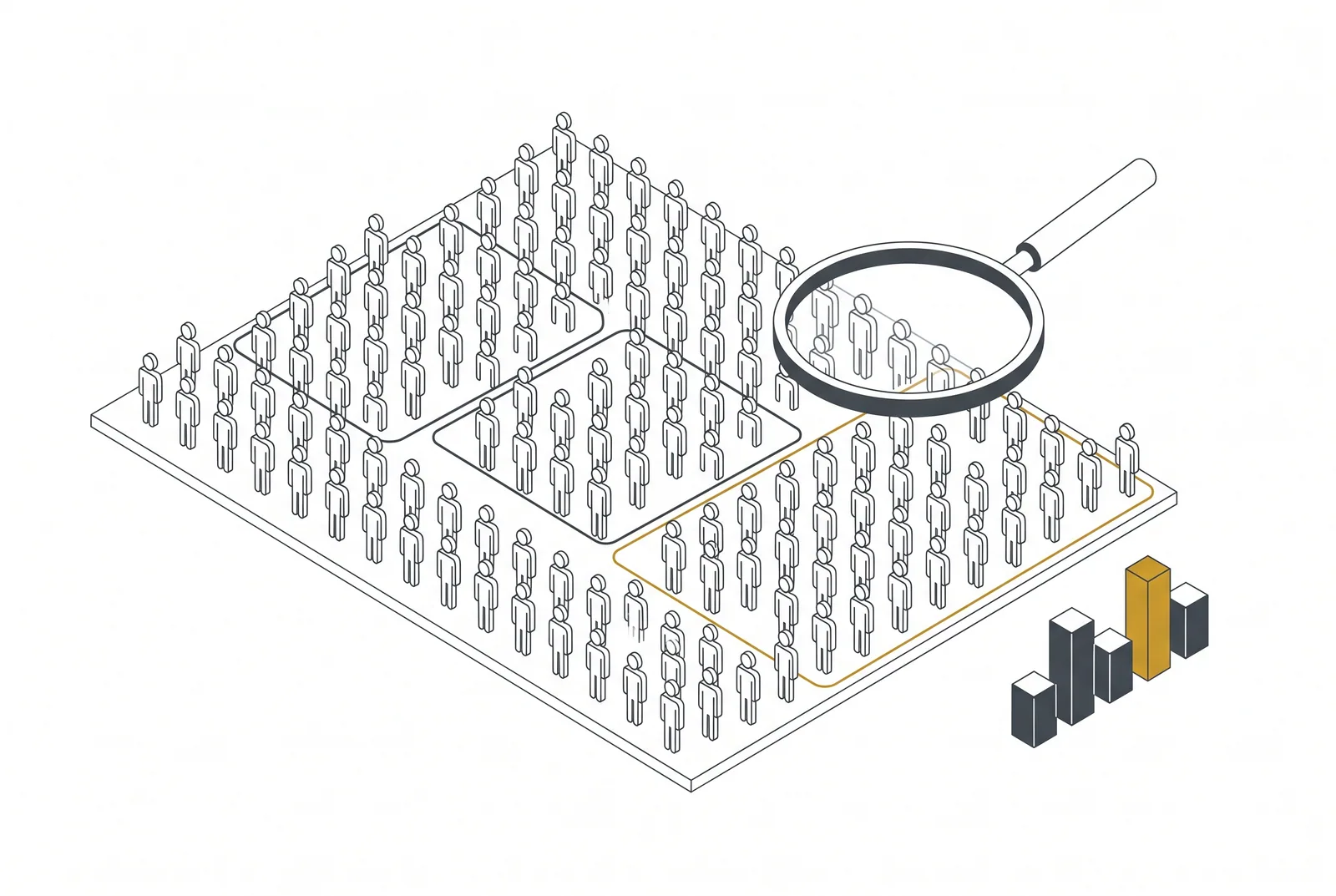
Segmentation and behavioural insight built on first-party data, not on rented assumptions.
Polaris
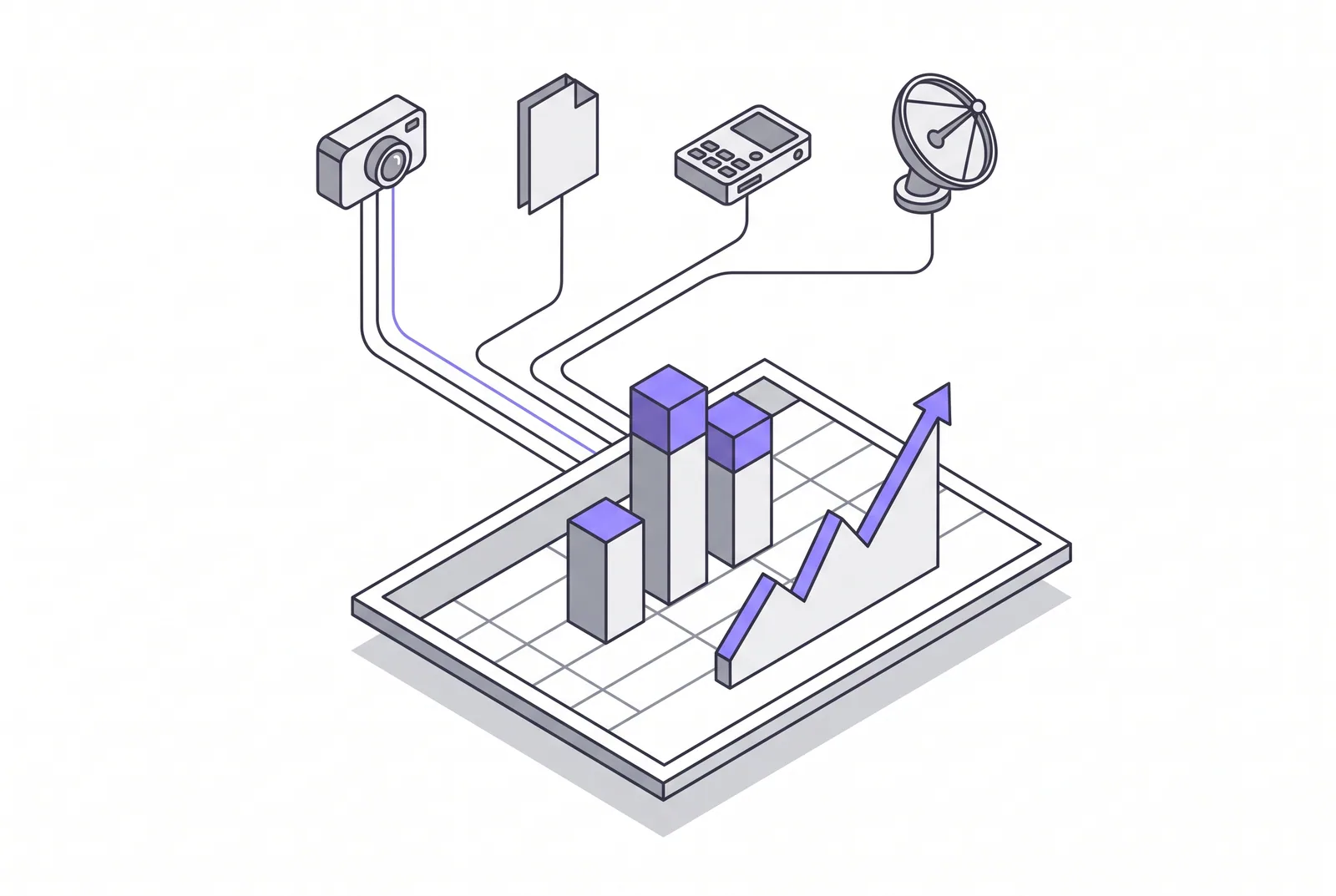
Instrumentation, acquisition and analysis that turn scattered signals into a trusted picture.